
Architects in Namakkal: Merging Tradition with Contemporary Design
Namakkal, a charming town in Tamil Nadu, has become a hotspot for architectural innovation, blending the legacy of traditional designs with contemporary sensibilities. Architects here are not only dedicated to creating functional spaces but also to preserving the unique cultural and environmental identity of Namakkal. From eco-conscious design practices to the integration of local materials, the architectural community in Namakkal is transforming the town into a modern yet culturally rooted landscape.
Sustainable Design Practices: Embracing a Greener Future
The architectural community in Namakkal has widely adopted sustainable practices to address global environmental challenges. This commitment to eco-friendly architecture has resulted in design approaches that aim to lower the carbon footprint of buildings while enhancing the well-being of the local community. Let’s look at some of the key sustainable practices embraced by architects in Namakkal:
1. Use of Local Materials and Techniques
Architects in Namakkal prioritize the use of locally sourced materials, drawing inspiration from the region's heritage. Materials like clay tiles, natural stone, and reclaimed wood are commonly used, ensuring that buildings blend with the landscape and reduce environmental impact. By choosing indigenous elements, architects also pay homage to the cultural identity of Namakkal, fostering a connection between modern buildings and the community’s history.
2. Energy-Efficient Passive Design Strategies
To minimize reliance on mechanical heating and cooling, Namakkal architects employ passive design techniques. This involves strategic placement of windows, doors, and shading devices to leverage natural light and ventilation. Incorporating high-performance insulation and shading techniques helps to control heat, enhancing comfort for residents while reducing energy consumption.
3. Water Conservation and Management
Water scarcity is a common challenge across India, and Namakkal is no exception. Architects address this by integrating rainwater harvesting systems, greywater recycling, and water-efficient fixtures in their designs. These sustainable water management practices help conserve resources and reduce dependency on local water supplies, contributing to long-term environmental resilience.
4. Integration of Renewable Energy
Embracing renewable energy is a growing trend among Namakkal’s architects. Solar photovoltaic systems are commonly installed to generate clean electricity for buildings. Some projects also explore wind turbines and geothermal systems, reflecting the community’s commitment to sustainable energy and reducing reliance on fossil fuels.
5. Biophilic Design Approaches
Biophilic design is based on the principle of bringing nature into the built environment to enhance well-being. Namakkal’s architects are incorporating green spaces, rooftop gardens, and landscaping to not only improve aesthetics but also reduce the urban heat island effect and improve air quality. These green spaces offer residents a connection to nature, which has been shown to boost mental health and encourage relaxation.
6. Community Engagement and Environmental Education
In Namakkal, the architectural community collaborates closely with residents to raise awareness about sustainable practices. Through workshops, events, and partnerships with schools, architects engage locals and foster a shared understanding of eco-friendly design. This approach ensures that sustainable practices extend beyond the walls of buildings, influencing daily life and encouraging a greener lifestyle in the community.
Innovative Techniques Reshaping Namakkal’s Architectural Landscape
As Namakkal’s architects merge heritage with modern technology, they are reshaping the town’s architectural identity. A growing emphasis on innovative techniques has brought about an architectural revival, leading to dynamic, multifunctional, and culturally resonant designs.
Adaptive Reuse: Honoring Tradition with a Modern Twist
Adaptive reuse is an approach where architects repurpose old structures rather than demolishing them. In Namakkal, this trend allows architects to preserve the architectural legacy of the town while giving new purpose to buildings. By skillfully adapting historical buildings for modern use, architects honor the region’s past while creating spaces that meet contemporary needs.
Incorporating Traditional Motifs and Craftsmanship
Namakkal’s architects integrate traditional design elements such as intricate stone carvings, terracotta tiles, and brass details. This thoughtful inclusion of local craftsmanship in modern structures fosters a unique dialogue between the old and new, enhancing the region's aesthetic appeal and preserving local artistic traditions.
Climate-Responsive Design
Given Tamil Nadu’s warm climate, climate-responsive design is crucial in Namakkal. Architects incorporate courtyards, louvered windows, and shaded walkways to optimize natural ventilation and cooling. This approach reduces the need for air conditioning, which saves energy and contributes to occupant comfort. It’s a perfect example of design that adapts to the environment rather than forcing the environment to adapt to the building.
Digital Technologies and Virtual Design Tools
Advanced tools such as Building Information Modeling (BIM) and virtual reality (VR) are increasingly used by architects in Namakkal to streamline design and construction. These tools enhance precision, enable real-time collaboration, and allow architects to experiment with various design options, further pushing the boundaries of creativity in architecture.
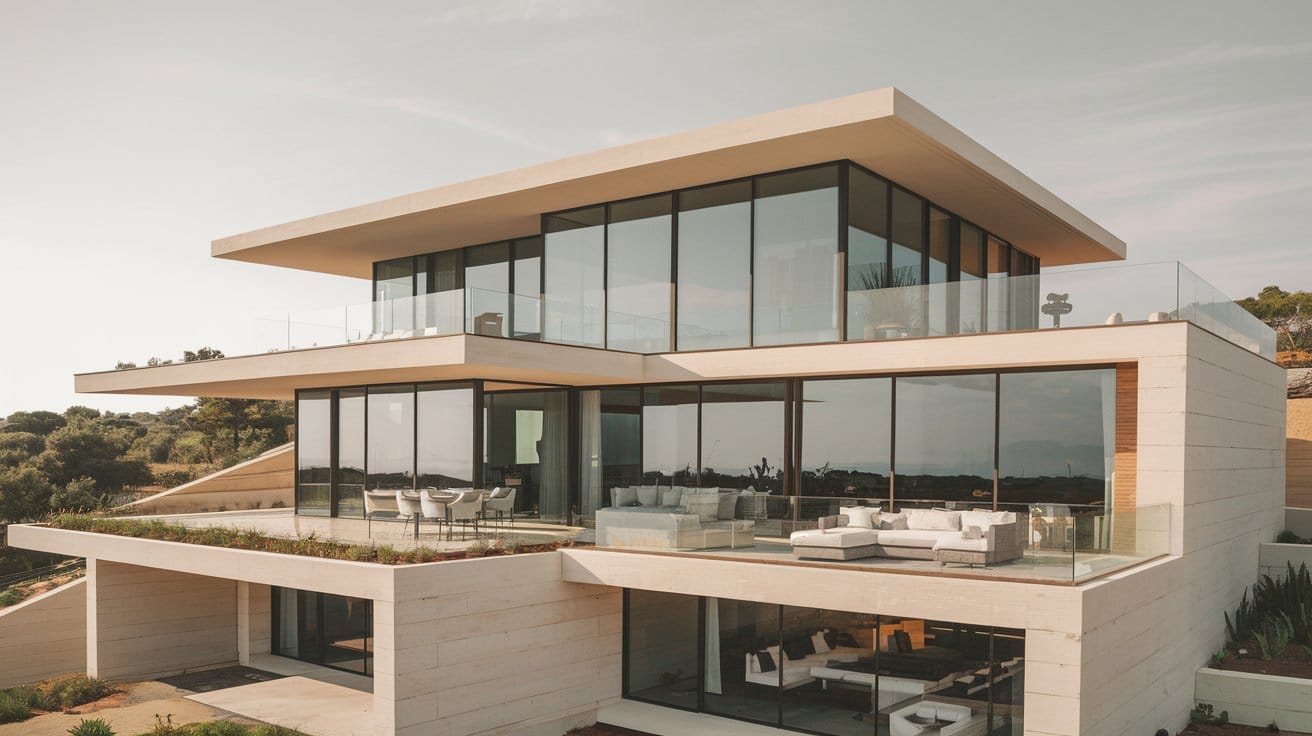
The Rise of Multifunctional Spaces in Namakkal
Salem is home to many talented architects and architecture firms, each offering a unique set of skills and specialties. Here’s a look at some of the top firms, with SS Architects leading the pack.
1. Redefining Spaces for Community Needs
A prime example is the Namakkal Eco-Park, a comprehensive project featuring residential areas, commercial zones, and vast green spaces. This development prioritizes sustainability and community engagement, with rooftop gardens, solar panels, and eco-friendly materials. Such multifunctional spaces create environments that enhance the quality of life, allowing residents to experience a balance between nature and modern amenities.
2. Public Spaces and Cultural Hubs
Architects in Namakkal focus on creating spaces that bring the community together, such as cultural centers and public parks. These hubs celebrate local heritage while meeting the recreational needs of residents. The Namakkal Performing Arts Center is a great example, where traditional design elements are blended with modern functionality to create a gathering space for arts and culture.
Preserving Cultural Heritage through Modern Design
A hallmark of Namakkal’s architecture is its commitment to preserving cultural heritage through innovative design. Architects not only embrace the aesthetics of traditional architecture but also collaborate with local artisans and craftsmen to ensure that cultural practices are passed down to future generations.
Collaborating with Local Artisans
Namakkal’s architects frequently work with local artisans to incorporate traditional craftsmanship into their designs. By engaging local talent in projects, architects help preserve valuable cultural skills, creating a sustainable economy that values heritage and skills passed down through generations.
Reinterpreting Historic Structures
Reinterpreting historical structures is a vital aspect of preserving Namakkal’s architectural identity. Architects study the original design elements and materials of historic buildings and integrate these into modern adaptations. This approach not only preserves architectural history but also adapts it for contemporary purposes, such as museums or community centers, which serve to educate and engage residents.
Balancing Aesthetics with Modern Needs
While respecting tradition, architects have adapted their designs to meet modern requirements. Buildings in Namakkal now feature amenities and layouts that reflect today’s lifestyles, while still showcasing traditional elements. This approach ensures that designs remain functional and sustainable without losing their cultural essence.
Educating and Inspiring the Next Generation
The architectural innovations emerging from Namakkal have also ignited the passion of young architects and students who are drawn to the field by the vision of blending culture with creativity.
Mentorship and Knowledge Transfer
Experienced architects in Namakkal mentor young designers, passing on knowledge about sustainable practices, cultural respect, and community engagement. This mentorship is crucial for preserving architectural traditions while inspiring new ideas that are both innovative and grounded in local heritage.
Encouraging Innovation and Cultural Reverence
The next generation of architects in Namakkal is inspired by the delicate balance between tradition and innovation. These young professionals are empowered to think outside the box while respecting the cultural roots that define Namakkal. This blend of reverence for tradition with a desire to innovate will shape the future of Namakkal’s architecture.
The Future of Architecture in Namakkal: A Vision for Sustainable and Community-Centric Design
The architectural landscape of Namakkal is at a fascinating crossroads, where tradition meets modernity and sustainability drives every new design. As the region continues to evolve, the dedication of its architects to cultural preservation, environmental responsibility, and community engagement sets a powerful example. These efforts not only enrich Namakkal’s architectural heritage but also position the town as a leader in sustainable and socially responsible design.
Namakkal’s architects have indeed embarked on a transformative journey, creating spaces that resonate with cultural depth, foster community connection, and embrace a future where architecture serves not just as shelter but as a testament to identity and vision. Through this journey, Namakkal continues to stand as a beacon of architectural excellence, where the past informs the present, and the present paves the way for a bright, sustainable future.

Jane Doe
Lorem ipsum dolor sit amet, consectetur adipisicing elit. Autem dolore, alias, numquam enim ab voluptate id quam harum ducimus cupiditate similique quisquam et deserunt, recusandae.


Kaliamman Kovil Street,Jagir Reddipatty, Salem,Tamil Nadu-636302.
Copyrights © ssarchitectssalem.in
